Written for the Nigerian kitchen
One pot has to feed a toddler, a teenager and a grandfather with his blood pressure. This is the book that shows you how.
Cover price ₦12,500. Yours today for ₦7,500.
⬇ Instant download·Read it on your phone tonight
The part nobody teaches
A toddler who is still growing. A teenager who eats and is hungry an hour later. You, on your feet since six. A grandparent whose blood pressure has started to come up in conversation.
They all eat from the same pot, and every one of them needs something slightly different out of it. Nobody ever teaches us that. We learn to cook, and then we guess at the rest for twenty years.
A meal timetable cannot answer that. This book can.
Why the stomach hurts, what a picky eater actually needs, first foods, school lunchboxes, break money, and the parties you cannot control.
What they need at that age, what they eat when you are not looking, and how to stop the kitchen becoming a battlefield.
What to check and how often. Eating for a blood pressure that is creeping up. Pregnancy and breastfeeding, in this kitchen, on this budget.
Why appetite falls with age, why protein matters more then rather than less, and how to feed an older parent from the same pot as everybody else.
And the one that started it
If a child in your house has asked you some version of that, you already know the feeling that follows it. Not panic. Something quieter and heavier. The sense that something in the way this family eats is not working, and that you are supposed to know what it is.
Most people do not know. That is not a personal failing. Nutrition advice reaches us broken into pieces, contradicting itself, half of it selling something. One week oil is the enemy. The next week it is carbohydrate. Somebody’s aunty says stop eating rice. Instagram says detox tea.
So you do what any sensible person does. You cook what you know how to cook, you hope it is fine, and you carry a low hum of worry about it.
This book is the end of that hum.
Why it matters
Sugary drinks and packaged snacks cost real naira and deliver nothing, while beans and crayfish sit on the same market stall for less.
Four in ten Nigerian children under five are stunted. Seven in ten under-fives are anaemic. It is not rare, and it is not somebody else’s house.
Both grow out of the same plate, over years, quietly, and both are far easier to prevent at the table than to manage at the clinic.
What you will actually learn
Every claim in this book is labelled by how strong the evidence behind it is. Where the research is thin, it says so.
The four ordinary causes, ranked in the order you should suspect them, and the handful of signs that mean hospital today, not tomorrow.
Measured lactase deficiency runs from about 60% in Hausa and Fulani participants to over 80% in Yoruba and Igbo. Milo, custard, powdered milk, ice cream. For most of us that is where the pain starts.
Vitamin C with a plant-iron meal changes how much your body actually keeps. And the daily habit that quietly undoes it.
Legumes were the strongest dietary predictor of survival in older adults studied across several populations. Beans, almost every day.
Said plainly, without hysteria, and the Nigerian seasoning shelf that replaces it without anybody at the table noticing.
Children usually need around fifteen tries before a new food stops being strange. Most parents give up after three. That single number ends most mealtime battles.
What’s inside
Every chapter ends with TAKE THIS WITH YOU, the chapter reduced to the few lines worth remembering. If you only ever read those boxes, your family will still eat better than it does today.
Why food sits badly, what changed in the Nigerian plate, and what “healthy” actually means once you strip out the noise.
Protein, vegetables, carbohydrate, oil, salt and sugar, one at a time, with what to buy and what to skip.
The market list, eating well when money is tight, cooking once for three meals, and thirty family recipes.
Children, teenagers, adults, grandparents, and the sleep, movement and hygiene that decide whether the food works.
A four-week plan, one change a week, starting with the drinks. Plus the pages you will keep coming back to.
Fourteen printable sheets, sized for a kitchen wall. See all fourteen →
The book explains. These sheets are what you actually use on a Tuesday evening. Print them, stick them up, or keep them on your phone at the market.
Every sheet works on its own, and every one is footed with the chapter it came from.
Why the sheets and the book are not the same thing. The sheets give you the lists. The book gives you the reasoning, and the reasoning is what makes a change survive a hard week. That is why the pack is footed with chapter numbers rather than sold on its own.
The food in this book
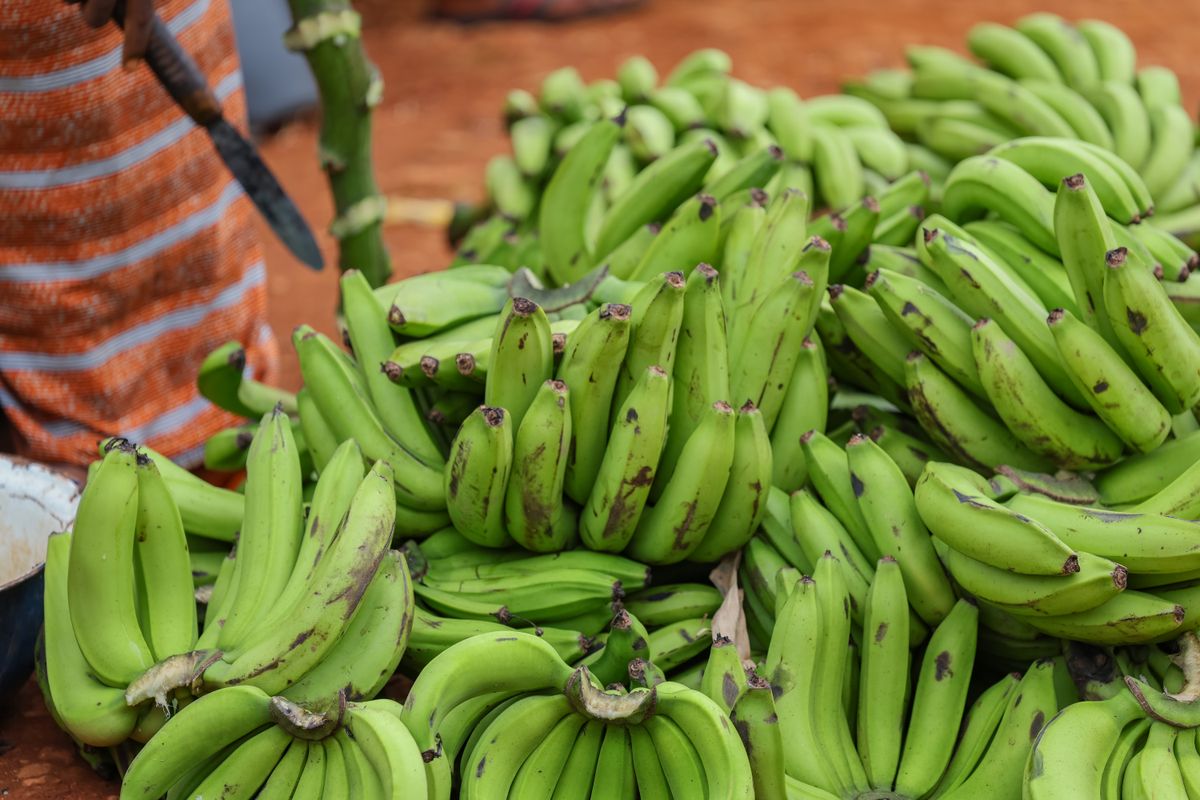
Beans · Eggs · Ugu and dark greens · Crayfish · Unripe plantain · Dried and smoked fish · Groundnut · Garden egg · Pap · Local rice.
Nothing imported. Nothing exotic. Nothing that requires a supermarket you do not have. Where something is expensive, you will be told, and you will be given the cheaper thing that does the same job.
A book that ignores what food costs is a book written for somebody else.
Be honest with yourself
Why not just search online
| The internet | This book |
|---|---|
| Contradicts itself every week | Six rules that haven’t changed in decades |
| Recommends food you can’t buy here | Beans, ugu, crayfish, plantain, garri |
| Sells you a supplement | Sells you nothing else |
| Hides how weak the evidence is | Labels every claim strong, reasonable or limited |
| Ignores what food costs | An entire chapter on eating well when money is tight |
| Written for somebody else’s kitchen | Written for yours |
Get the book
🔒 Card, bank transfer and USSD · Secured by Paystack
Your receipt carries the download link
Before you decide
No. It is a PDF you download immediately and read on your phone, tablet or computer. Print it if you prefer.
The opposite. It is built around beans, eggs, greens, crayfish, dried fish, plantain and yam, because those give the most nourishment per naira. Chapter 13 is entirely about eating well when money is tight.
Nothing here is a new cuisine. These are your own meals with the proportions corrected: jollof, egusi, beans and plantain, moi moi, akara, efo riro.
Chapter 16 is written for exactly that. The key finding: children usually need around fifteen exposures to accept a new food, and most parents give up after three.
The recipes assume nothing. Most take under 25 minutes, and Chapter 14 is about cooking once and eating three times.
No. It is health education, not medical advice, and it will never tell you to stop or change a prescribed medicine.
It gives the principles and the family plate. For the condition itself there are separate books, and this one tells you where it stops.
Fourteen printable sheets pulled from the book, sized for a kitchen wall: the market list, the four weeks of meals, portion sizes in hands, the nutrition-per-naira table, the food and symptom diary, the clinic questions and the emergency card. It comes with every copy at no extra cost, and every sheet is footed with the chapter it came from.
Paystack sends you a receipt the moment the payment clears, and your download link sits inside that receipt. Keep the email and the link stays yours.
The plate is settled. The recipes are written. The market list is ready. All that’s left is Monday.
Get The Family Table · ₦7,500Instant download·Yours to keep